Best Sports Watches for Active Men in 2026
The best sports watches for active men in 2026: durable, shock-resistant, water-resistant watches from Omega, Rolex, TAG Heuer, Seiko, and Tudor. Expert picks with real specs.
The best sports watches for active men prioritize durability over decoration. They deliver shock resistance, genuine water resistance, reliable movements, and honest design that works as hard as you do.
A true sports watch is not defined by chronographs or complex complications. It is defined by core engineering: a movement that can withstand impact and maintain accuracy under stress, a case that protects that movement, and a crystal and bezel designed for legibility and function in real conditions. The watches on this list—from the Omega Seamaster 300m to the TAG Heuer Aquaracer 300 to the Seiko Prospex SPB143—share a philosophy: build for the activity first, aesthetics second.
Whether you are training for a triathlon, running marathons, hiking remote terrain, or simply refusing to baby your wrist wear, this guide covers the essential specifications, honest recommendations, and real-world considerations for active men who want a watch that proves itself through use.
See how these watches rank against the full database
View Rankings →Our Picks

The sports watch reference standard. Master Chronometer certification means -4/+6 seconds per day accuracy, 15,000 gauss anti-magnetic, 300m water resistance. Titanium and steel options. $5,700–6,200 new.
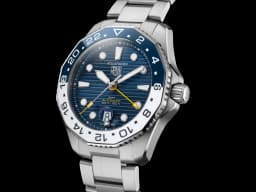
The underrated sports work horse. 300m water resistance, sapphire crystal, in-house or ETA movement, and 80-hour power reserve. At $1,950–2,400 new, the best value in sports watchmaking for the category.

The sport watch archetype. 300m water resistance, Rolex's in-house movement, cyclops lens, luminous bezel, and proven durability across decades. Reference 126610LN at $9,100–9,600 new. Prestige you will wear forever.
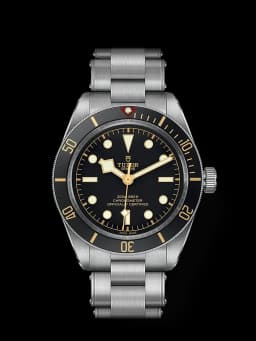
The affordable heritage dive. 200m water resistance, snowflake hands, vintage lug design, Rolex's movement reliability. Reference M79030N at $3,600–3,900 new. The watch that made serious collectors question Rolex pricing.
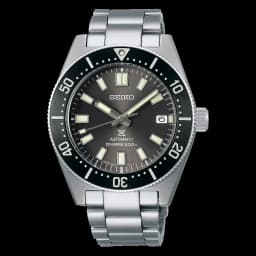
The value sports anchor. 200m water resistance, 70-hour power reserve, Japanese precision, lume you can read at night. Reference SPB143J1 at $700–900 new. The reason serious athletes wear Seiko.
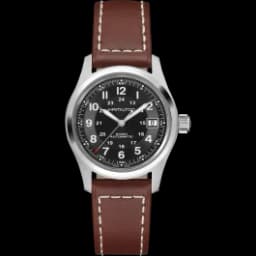
The field sport hybrid. 100m water resistance, Swiss-made, 80-hour power reserve, canvas strap, and genuinely honest design. $650–750 new. Wears far larger than its category—the thinking athlete's watch.
Compare These Watches Head-to-Head
Side-by-side specs, community votes, and expert scores
Buying Guide
What Makes a Sports Watch for Active Use
Active use demands four core specifications: (1) water resistance rated for your actual activity (200m for snorkeling, 100m for regular swimming), (2) a movement designed to withstand shock and vibration without loss of accuracy, (3) a luminous dial that is legible in low light, and (4) a bezel—rotatable or fixed—that helps you track time during competition or training. All watches on this list exceed these requirements. The Omega Seamaster 300m and Rolex Submariner 41 represent the top tier where Master Chronometer or Superlative accuracy standards ensure performance under stress.
Case Material: Steel vs Titanium vs Bronze
Stainless steel is the standard for sports watches—robust, polishable, and affordable. Titanium (used on Omega Seamaster and higher-end models) is lighter, more corrosion-resistant, and ideal if you wear your watch 16+ hours daily on intense training. Bronze (rare in modern sports watches) ages visually and is best reserved for true outdoors tools. Aluminum bezels (on Seiko Prospex and some dive watch designs) are more scratch-prone but lighter and replaceable. For most active men, steel is the right choice.
Water Resistance: Rated vs Real
Water resistance ratings reflect static lab tests, not dynamic wrist wear. 100m is safe for splashes and light swimming. 200m is safe for recreational snorkeling. 300m is rated for strong swimming. 500m+ is genuine diving territory. All recommendations meet or exceed 200m, making them safe for serious swimmers and recreational snorkeling. Do not treat water resistance lightly: have your watch pressure-tested every 2–3 years, and note that water resistance degrades with age, impact, and regular use. Crowns and crystal edges are the first points of failure.
Strap Considerations: Metal, Rubber, Fabric
Metal bracelets are traditional and elegant but can rotate during intense activity. Rubber/silicone straps (Omega Seamaster includes fabric strap options) stay locked during workouts and are easy to rinse. Fabric/canvas straps (Hamilton Khaki Field) offer lightweight comfort and quick-dry capability. Most modern sports watches are sold with interchangeable strap systems, letting you switch between metal for formal wear and rubber/fabric for training. Factor in strap replacements ($80–300) to your total cost.
Movement Reliability: Automatic vs Quartz for Sports
Automatic movements in sports watches (Omega Cal. 8800, Rolex Cal. 3235, Seiko 4R36, TAG Heuer Caliber 5) are designed to handle shock and deliver 40–80 hour power reserves. Quartz watches (not covered in this guide as most serious sports watches use automatic) are even more shock-resistant and accurate but require battery replacements. At this tier, automatic movements have proven durability—select based on brand track record and warranty rather than movement type. Omega and Rolex's in-house movements come with 4–5 year guarantees.
Frequently Asked Questions
What watch do professional athletes actually wear?▼
Military special operations, ultramarathon runners, and serious endurance athletes favor Rolex Submariner (proven underwater, military heritage), Omega Seamaster (Olympic heritage), and Seiko Prospex (Japanese diving standards). The watches on this list are designed by engineers who build for the activity. Professional athletes wear these watches because they have proven track records in extreme conditions, not because of brand prestige.
What is the best sports watch under $1,000?▼
The TAG Heuer Aquaracer 300 ($1,950–2,400 new) or Seiko Prospex SPB143 ($700–900 new) are the clear winners. The Aquaracer delivers Swiss quality, 300m water resistance, and 80-hour movement for true value. The Seiko Prospex offers Japanese reliability at a fraction of the cost. For preowned options, the Tudor Black Bay 58 frequently appears under $3,000 and offers serious movement heritage. Choose Seiko for raw value, Aquaracer for Swiss credentials, or Prospex for Japanese precision.
Are sports watches waterproof or water-resistant?▼
Water-resistant. No watch is truly waterproof. All watches on this list are water-resistant to at least 200m, meaning they will survive splashes, swimming, and recreational snorkeling when properly maintained. Water resistance is maintained through precise crown seals, crystal placement, and case back gaskets. Have your watch pressure-tested every 2–3 years to verify that water resistance specifications still hold. Always hand-tighten the crown back into the case—never force it.
Should I choose a chronograph for sports use?▼
Not necessarily. Chronographs add complexity, increase power consumption, and introduce more points of mechanical failure. The pure dive watch design (fixed rotating bezel, clean dial layout, robust case) is often more practical for active use. That said, chronographs excel for sport-specific timing—training intervals, sprint times, race splits. If you need a chronograph for a specific activity, commit to learning its operation before competition. The TAG Heuer Carrera and Omega Speedmaster are legendary for this reason—they are purpose-built for timing, not just decoration.
What is the best sports watch under $500?▼
The Seiko Prospex SPB143 ($700–900 new) is the clear choice just above budget, but preowned examples frequently appear around $600–700. For hard budget caps at $500, look at the Seiko 5 Sports ($250–350 new), which offers 100m water resistance, reliable automatic movement, and honest design. Neither approaches the 300m rating of the Aquaracer or Seamaster, but both have proven durability at lower price points. If you can stretch to $550–700, the Prospex or preowned Aquaracer become available and represent far better value.
Are Swiss sports watches worth the premium over Japanese?▼
Yes and no. The Omega Seamaster 300m ($5,700–6,200) delivers technical credentials—Master Chronometer certification, 15,000 gauss anti-magnetic, in-house movement—that justify premium pricing. The Hamilton Khaki Field ($650–750) is Swiss-made with 80-hour movement, offering genuine Swiss quality at accessible pricing. However, the Seiko Prospex ($700–900) and TAG Heuer Aquaracer ($1,950–2,400) deliver comparable water resistance, movement reliability, and actual sports heritage at lower costs. Choose Swiss for technical pedigree and resale value; choose Japanese for raw value and proven durability.
Should I buy sports watches new or preowned?▼
Both are valid. New purchases guarantee full warranty, pristine condition, and factory service support. Preowned options (especially on platforms like Chrono24, Crown and Caliber) offer 15–30% savings if the watch is in excellent condition. The Rolex Submariner, Omega Seamaster, and Tudor Black Bay have robust preowned markets. Key consideration: if buying preowned, verify the watch has been recently serviced (automatic movements over 5–7 years old), request pressure testing for water resistance, and confirm all original documentation. Buying preowned from a reputable dealer often includes warranty coverage.
A sports watch is a tool first, a luxury second. Whether you choose the technical excellence of the Omega Seamaster 300m, the iconic heritage of the Rolex Submariner, the value proposition of the TAG Heuer Aquaracer, the elegant pragmatism of the Hamilton Khaki Field, or the Japanese reliability of the Seiko Prospex, you are investing in a watch that will prove itself through use. These watches are built for repetitive motion, shock, water, and sweat—the real conditions of active life. Use our comparison tool to put your shortlist side-by-side and see exactly how these watches differ in specs, pricing, and community ratings. The best sports watch is the one you will wear every day.
Related Comparisons
More Buying Guides
Buying Guide
Best Dive Watches in 2026 — From Budget to Luxury
The best dive watches in 2026 across every budget. From Seiko Prospex under $900 to Rolex Submariner, reviewed and compared with full specs.
Read Guide →
Buying Guide
Best Field Watches in 2026 — Military Heritage, Modern Performance
Best field watches in 2026: Hamilton Khaki Field, IWC Pilot, Rolex Explorer, and more reviewed across every budget. Expert picks with specs.
Read Guide →
Buying Guide
Best GMT Watches in 2026 — Track Two Time Zones in Style
Best GMT watches in 2026: Rolex GMT-Master II, Tudor Black Bay GMT, Seiko Presage, and more. Expert picks with full specs and buying advice.
Read Guide →
Buying Guide
Best Luxury Watches Under $10,000 in 2026 — Expert Guide
The best luxury watches under $10,000 in 2026. In-house movements, heritage brands, and genuine luxury from Omega, Rolex, TAG Heuer, Cartier, and IWC. Reviewed and compared.
Read Guide →
Brands Featured in This Guide
Omega
The only watch worn on the Moon. The Speedmaster was NASA-qualified in 1965 and accompanied every Apollo mission.
Explore Brand →
TAG Heuer
Motorsport's official timekeeper for over 50 years — TAG Heuer has timed Formula 1, Le Mans, and the Monaco Grand Prix.
Explore Brand →
Rolex
The most recognised watch brand on Earth, producing roughly 1 million watches annually — all in-house.
Explore Brand →
Tudor
Rolex's sister brand, delivering in-house movements at 30–60% lower retail prices than its parent.
Explore Brand →
Compare Any Two Watches
Head-to-head specs, community ratings, and pricing side by side
Start a Comparison