Best Automatic Watches for Beginners in 2026
New to automatic watches? Our expert buying guide covers the best automatic watches for beginners across every budget — with picks from Seiko, Tissot, Orient, Hamilton, and more.
There has never been a better time to buy your first automatic watch. The segment between $100 and $700 is overflowing with genuinely excellent mechanical watches — pieces that would have seemed impossible at these prices a decade ago. But the abundance also makes the choice harder. Where do you start? What actually matters? And which watches are worth your money when you're just getting into the hobby?
This guide cuts through the noise. Whether you've caught the watch bug from a YouTube rabbit hole, want a more meaningful everyday carry than your smartphone, or simply appreciate the craft of mechanical horology, the best automatic watches for beginners share a clear set of qualities: reliable movements, solid build quality, versatile designs, and prices that won't sting if your taste changes in a year.
We'll cover what makes a great first automatic, how these movements actually work, our five top picks with honest assessments, maintenance basics, and how to think about price.
See how these watches rank against the full database
View Rankings →Our Picks

The gateway drug for watch enthusiasts. Reliable 4R36 movement, 100m water resistance, and genuine character for around $300 new. The most-recommended first automatic.
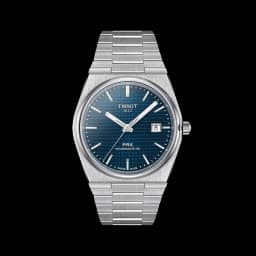
An integrated bracelet Swiss automatic under $700. The Powermatic 80 movement delivers an 80-hour power reserve — wear it all week, leave it Friday, pick it up Monday still running.
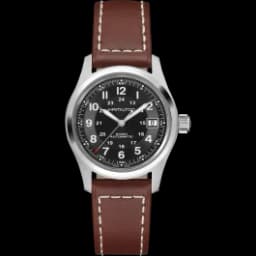
Swiss-made ETA movement, sapphire crystal, 100m water resistance. Equally at home in an office or outdoors. One of the most honest watches at any price.
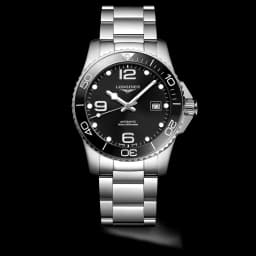
Longines heritage meets modern design. Automatic movement, sapphire crystal, 300m water resistance. For beginners who want dive watch capability with a brand name and Swiss precision.
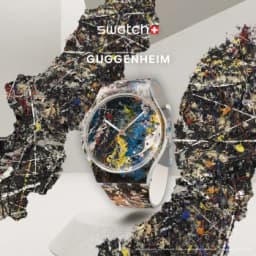
An engineering marvel under $150. Robot-assembled 51-component automatic with a remarkable 90-hour power reserve and maintenance-free design. Unusual but genuinely fascinating.
Compare These Watches Head-to-Head
Side-by-side specs, community votes, and expert scores
Buying Guide
Why Automatic Watches Matter
An automatic watch is an engineered object that does something remarkable: it runs entirely on the kinetic energy from your wrist. No battery. No charging cable. No subscriptions. A well-made automatic, properly serviced, can outlast its owner. Once you see the rotor spinning through the caseback, you can't unsee it. You're not just buying a timepiece — you're joining a tradition of people who love mechanical watches.
How Automatic Movements Work
An automatic movement stores energy in a coiled mainspring. A weighted rotor pivots with wrist movement, winding the spring through a series of gears. The escapement regulates energy release in precise intervals, driving the hands. Key specs: power reserve (38–80 hours typical), beats per hour (21,600 or 28,800 bph), jewels (synthetic ruby bearings that reduce friction), and accuracy (±10–30 seconds/day is normal for entry-level automatics). The seconds hand sweeps smoothly on high-frequency movements, creating that satisfying mechanical rhythm.
Choosing Your First Automatic
Consider these factors: brand track record (Seiko, Orient, Tissot, Hamilton have proven reliability), movement robustness (Japanese 4R/6R series and Swiss ETA calibers are safe choices), crystal material (Hardlex is durable, sapphire is premium), water resistance rating (100m is versatile, 50m adequate for non-swimmers), and design personality. Pick a style you genuinely want to wear daily — that matters more than any spec. An automatic only teaches you what works when you wear it.
Price Ranges & Value
Under $200: genuine automatics from Orient and Swatch — mineral/Hardlex crystal, reliable movements. $200–$400: the sweet spot (Seiko 5 Sports) — proven calibers, strong community, excellent value. $400–$750: Swiss movements and sapphire crystal (Hamilton, Tissot) — better finishing and resale value. Above $750: Tudor, Longines, mid-range Omega — excellent but not the right starting point until you know your preferences.
Maintenance Basics
Wear your watch regularly to keep the mainspring wound and lubricants distributed. If it stops, wind manually (20–30 crown turns) before setting the time. Avoid strong magnetic fields (bag clasps, speakers, some phone cases) — magnetization causes erratic fast running. Service every 5–7 years for daily wearers ($150–$400 depending on movement). Have water resistance tested every 2–3 years if water exposure matters. Don't obsess over accuracy — ±10–30 seconds per day is normal.
Frequently Asked Questions
What is the best automatic watch for a beginner?▼
The Seiko 5 Sports is the most consistently recommended first automatic. It offers a reliable caliber, 100m water resistance, and genuine character for around $300 new. For more budget, the Tissot PRX Powermatic 80 and Hamilton Khaki Field Automatic are excellent upgrades.
Do automatic watches need a battery?▼
No. Automatic watches are powered entirely by wrist movement. A weighted rotor winds an internal mainspring — no battery ever needed. If the watch stops after sitting unworn, wind it manually (20–30 crown turns) and reset the time.
How accurate should my first automatic watch be?▼
Entry-level automatics typically run within plus or minus 10–30 seconds per day. This is normal and expected for mechanical movements at this price. If your watch is consistently outside this range it may need regulation, but within spec is fine.
How long does an automatic watch last?▼
A well-made automatic can last several lifetimes with proper care and periodic servicing. Many 1960s and 1970s automatics are still running today. Service every 5–7 years for daily wear — typically $150–$400 depending on movement complexity.
What power reserve should a beginner automatic have?▼
38–42 hours is adequate for daily wearers. 80-hour reserves let you wear a watch all week and leave it idle over the weekend without resetting. For a single-watch collection, 38+ hours is fine; for rotation, 80-hour reserve adds real convenience.
Is Orient a good brand for a first automatic watch?▼
Yes. Orient produces its own in-house automatic calibers at prices that undercut most competitors. Their movements include hacking and hand-winding capability where many rivals at the same price skip both. The Orient Bambino and Mako are community favorites.
Should I buy a new or used automatic watch as a beginner?▼
For your first automatic, buying new from an authorized dealer gives you warranty protection and confidence in authenticity. Once you've worn a few watches and developed an eye for quality, used watches on platforms like Chrono24 offer significant value and protections. Always ask for service history if buying used.
What is the difference between automatic and manual wind watches?▼
Both are mechanical watches powered by a wound mainspring. An automatic winds itself via a rotor that spins with wrist movement — no manual effort during wear. A manual wind watch requires you to wind the crown daily or every few days. Most beginner watches are automatic; manual wind watches are rarer and often more expensive at entry-level prices.
Your first automatic watch doesn't need to be perfect — it needs to be worn. The Seiko 5 Sports is the most-recommended starting point for good reason: it's reliable, characterful, and affordable enough to wear without anxiety. Once you've lived with a mechanical watch for six months, you'll know exactly what you want next. Use our comparison tool to put any two of these watches head-to-head before you decide.
Related Comparisons
More Buying Guides
Buying Guide
Best Watches Under $3,000 - Luxury on a Budget
Top automatic watches under $3,000 from Seiko, Hamilton, Longines, Tag Heuer, and more. Expert picks with full specs.
Read Guide →
Buying Guide
Best Watches for First-Time Buyers in 2026 - Entry-Level Watch Guide
The best watches for first-time buyers in 2026. Covers budget ranges, quartz vs automatic movements, top beginner brands, and essential care tips. Expert picks for every price point from $100 to $1,000.
Read Guide →
Buying Guide
Best Watches Under $500 in 2026 - Expert Picks
The best automatic and quartz watches under $500 in 2026. Expert picks from Seiko, Tissot, Baltic, Hamilton, and more. Reviewed and compared with specs.
Read Guide →
Buying Guide
Best Watches Under $1,000 in 2026 - Top Swiss & Japanese Picks
The best automatic watches under $1,000 in 2026. Swiss-made, Japanese excellence, and top microbrands reviewed and compared by category.
Read Guide →
Brands Featured in This Guide
Seiko
Invented the quartz movement (1969), the kinetic movement (1988), and the spring drive (1999) — more watch innovations than any other single company.
Explore Brand →
Tissot
The official timekeeper of MotoGP, Tour de France, and multiple Olympic sports — worn on the wrist of more Swiss watch buyers than any other brand.
Explore Brand →
Hamilton
Hamilton watches appeared in over 500 films — from 2001: A Space Odyssey to Interstellar — making it the most cinematically featured watch brand in Hollywood history.
Explore Brand →
Longines
One of the oldest Swiss watch brands in continuous operation, Longines has been official timekeeper at the Olympic Games, Wimbledon, and the Kentucky Derby.
Explore Brand →
Compare Any Two Watches
Head-to-head specs, community ratings, and pricing side by side
Start a Comparison